

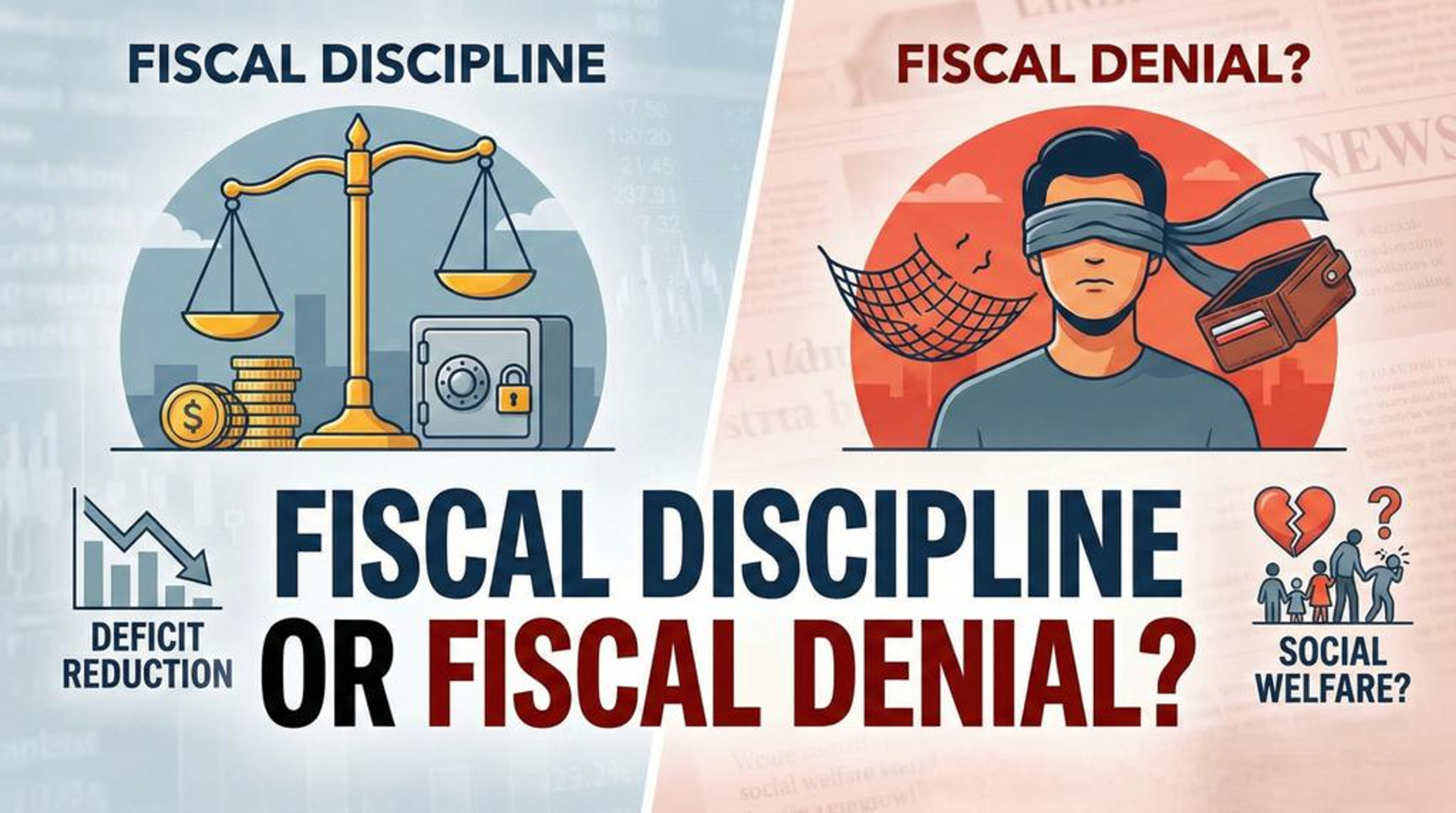

Fiscal consolidation has been positioned as a major achievement. Deficit reduction targets are showcased as evidence of economic prudence. Investor confidence benefits from such signals. However, aggressive deficit reduction during uncertain global conditions may suppress domestic demand. Economic stability requires balance between discipline and development. Overemphasis on fiscal targets can constrain welfare spending. Social safety nets require expansion during volatility. Fiscal strength must serve citizens first.
The budget claims success in poverty reduction, yet income inequality concerns remain largely unaddressed. Real wage growth data is absent. Consumption distress indicators are overlooked. Economic strength must reflect improvements at household level. Macroeconomic achievements mean little without microeconomic stability. Public perception increasingly questions distribution of growth benefits. Transparency requires detailed socio-economic metrics.
Agricultural announcements highlight diversification, technology integration, and export potential. Yet price assurance mechanisms remain unclear. Farmers face volatile markets, climate risks, and rising input costs. Digital advisory tools cannot substitute structural reforms. Credit access remains inconsistent. Insurance mechanisms require modernization. Rural distress cannot be resolved through fragmented schemes.
Fiscal prudence is necessary. But prudence without compassion risks social imbalance. Economic stability should strengthen citizens, not just balance sheets. Policy credibility depends o